

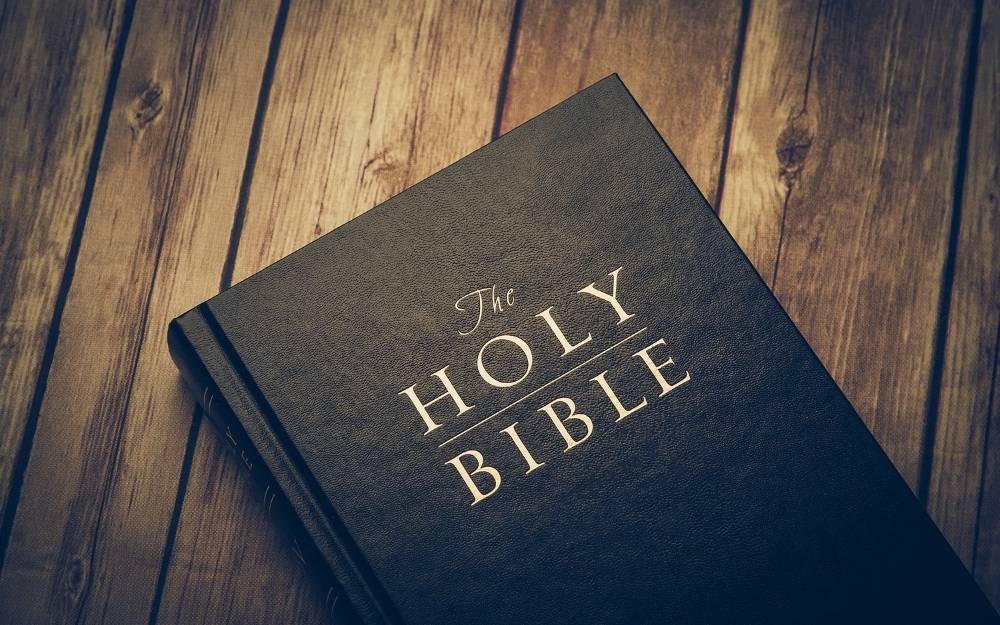
There is something quite remarkable about holding a book that has already lived a full life before it reached your hands. When it comes to sacred texts, this feeling is often amplified. While a brand-new, shrink-wrapped volume has its own pristine appeal, I have found that I often favour the character and soul found in used bibles. There is a certain warmth to the pages that have been turned thousands of times, and a softness to a leather cover that has been handled through years of morning devotions and Sunday services.
Choosing a second-hand edition isn’t just about saving a few pounds, though that is certainly a practical benefit. It is about the tactile experience and the connection to the past. Many people find that a new bible can feel a bit stiff and intimidating; the pages stick together, and the spine resists staying open on the table. In contrast, a well-loved copy usually lies flat the moment you open it, having been naturally broken in by a previous owner. This makes it much more comfortable for long periods of study or quiet reflection in the centre of a busy day.
Finding quality in older craftsmanship
In the world of bookbinding, things aren’t always made the way they used to be. Many collectors and readers seek out older editions because the materials used decades ago were often of a higher standard than some modern mass-produced versions. If you are looking for genuine goatskin or high-quality calfsplit leather, you might find that vintage editions offer a level of durability that is hard to match today without spending a fortune.
When searching for used bibles, you often stumble upon out-of-print treasures from renowned publishers like Oxford University Press, Cambridge, or Eyre & Spottiswoode. These older copies frequently feature beautiful typography and traditional layouts that have since been replaced by more modern, utilitarian designs. For those who appreciate the aesthetic side of reading, finding a vintage copy with red-under-gold art gilt edges or a full yapp cover is a genuine delight.
What to look for when choosing a second-hand copy
If you are new to the world of second-hand books, you might wonder how to distinguish a hidden gem from a copy that is simply worn out. It requires a bit of an eye for detail, but once you know what to look for, the process becomes quite enjoyable. Here are a few things I always check:
- The Binding Type: Look for smyth-sewn bindings rather than glued ones. Sewn bindings are much more durable and allow the book to lie flat without the pages falling out over time.
- Paper Quality: Older bibles often used ‘India paper’, which is incredibly thin yet opaque. Check for any significant foxing or yellowing, though a little bit of age-related discolouration often adds to the charm.
- The Condition of the Leather: Even if the leather looks a bit dry, it can often be restored with a high-quality leather conditioner. However, avoid ‘red rot’, which is when the leather begins to crumble into a fine dust.
- Previous Annotations: Some people love finding notes in the margins (marginalia), while others prefer a clean text. Decide which you prefer before making a purchase.
The stories told in the margins
One of the most fascinating aspects of used bibles is the glimpse they provide into the lives of those who owned them before. It is not uncommon to find a name and a date inscribed on the presentation page, perhaps marking a christening, a wedding, or a graduation from many decades ago. These inscriptions turn a book into a piece of history, a physical link between generations of readers.
Sometimes you will find carefully underlined verses or notes scribbled in the margins. I have always found these to be quite moving; they highlight the passages that someone else found comforting or challenging during their own life journey. It transforms the act of reading into a silent conversation across time. Of course, if you prefer to start with a blank slate, there are plenty of used copies available that have been kept in pristine condition, tucked away on a shelf for years and barely opened.
A more sustainable and ethical choice
In an age where we are all becoming more conscious of our environmental impact, opting for second-hand goods is a small but meaningful step. The production of new books involves significant resources, from paper milling to the chemicals used in dyes and glues. By choosing to reuse and repurpose existing volumes, we reduce the demand for new manufacturing and keep perfectly good books out of landfill.
There is also a wonderful sense of stewardship involved in caring for a pre-owned book. Many of these volumes were designed to last a lifetime, or even several lifetimes, and by giving them a new home, you are ensuring that the labour and craftsmanship that went into their creation continue to be valued. It is a way to organise your library with intention, choosing quality and longevity over the disposability of modern consumer culture.
Why certain translations are better found second-hand
Language evolves, and publishers frequently update translations to reflect modern usage. While this is helpful for many, some readers prefer the cadence and vocabulary of older versions that may no longer be in active print. Finding these specific editions often requires looking into the second-hand market. Here are a few reasons why someone might seek out an older translation:
- Linguistic Beauty: Many people still prefer the majestic, rhythmic prose of the 1611 King James Version or the 1952 Revised Standard Version, which can be harder to find in premium bindings today.
- Accuracy and Tradition: Some scholars and students prefer older translations for their literal approach to the original languages, avoiding some of the more interpretive bibles favoured by modern publishers.
- Nostalgia: Often, we want the exact same edition we used in our youth, which may have been out of print for twenty or thirty years.
The joy of the hunt
Finally, there is the simple thrill of the search. Browsing through a specialised bookshop or an online catalogue to find a specific edition is far more rewarding than simply clicking ‘buy now’ on a generic retail site. You never quite know what you might find. You might be looking for a simple study copy and end up discovering a rare, limited-edition printing that has been beautifully preserved.
Because the stock of used bibles is always changing, it pays to check back regularly. What wasn’t available last week might appear today. This unpredictability makes building a personal library a much more engaging hobby. Whether you are looking for a rugged companion for your travels or a beautiful heirloom-quality volume for your home, the second-hand market offers a variety and depth that new bookstores simply cannot match. You aren’t just buying a book; you are becoming the next guardian of a text that has likely provided comfort and guidance to others long before it reached your hands.

James provides insightful news coverage, practical tips, and informative articles to keep readers updated and engaged.